

How to start a dance studio: a practical step-by-step guide
How to start a dance studio: choose your style and students, find a space, budget, music licenses, insurance, pricing, schedule and filling your first classes.
· 4 min read
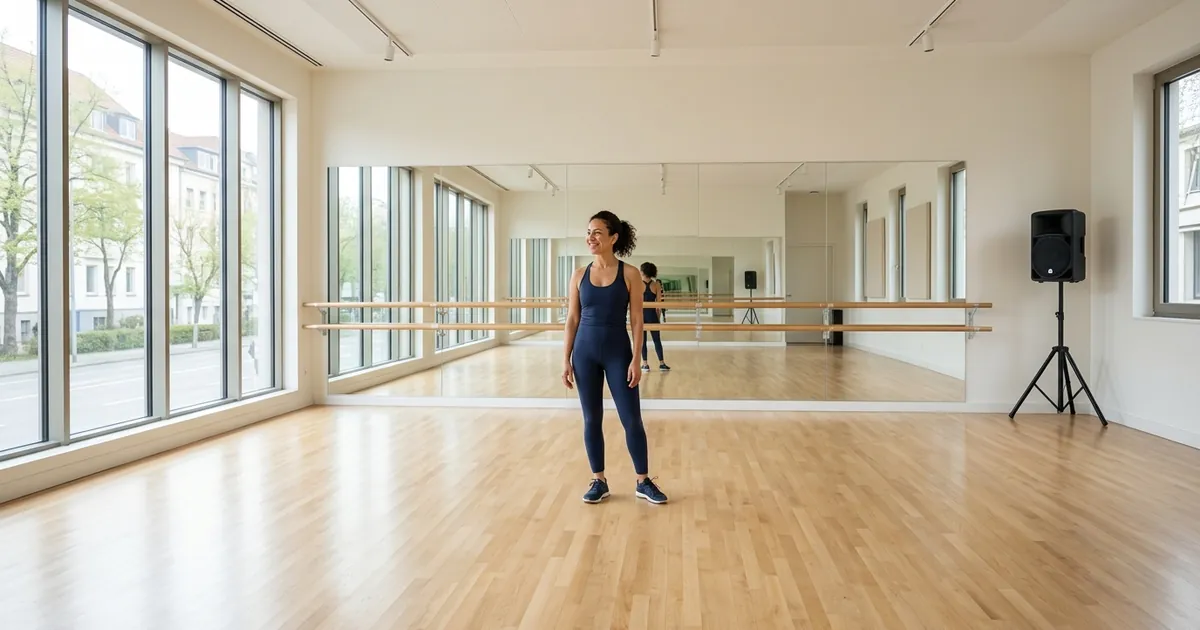
Opening your own dance studio is a big step, whether you dream of a full studio with several rooms or want to start by renting a space a few evenings a week. The good news: you don’t need to do everything at once. Many successful studios started with one teacher, one rented room and a handful of loyal students.
This guide walks through the steps in order, so you can start small, test demand and grow without betting everything on day one.
1. Decide who you teach and what
Everything else depends on this:
- Style: ballet, jazz, hip hop, contemporary, salsa, bachata, ballroom, heels, K-pop…
- Students: kids, teens, adults, beginners, competitive dancers, couples, wedding first dances.
- Format: weekly classes, seasons with a recital, drop-ins, workshops, private lessons.
A kids’ studio with seasons and a recital is a different business from an adult studio that sells drop-ins and packs. Pick one main model to start with.
2. Check demand before you sign a lease
Before committing to a space, test your idea:
- Rent a room by the hour and run a few classes or a workshop.
- See who comes, which time slots fill up and what people are willing to pay.
- Look at other studios nearby: their styles, schedules and prices.
A few weeks of real bookings tell you more than any business plan.
3. Find the right space
When you are ready for your own room, look for:
- A sprung or floating floor (important for dancers’ joints), or a budget to install one.
- Mirrors, barres and a good sound system.
- Enough height and space per student.
- Changing area and restrooms.
- Easy parking or transit, and evening availability.
- A neighborhood where your students live or work.
Starting out, sharing or subletting a studio, or renting a room at a gym or community center, keeps risk low.
4. Handle the business basics
- Business structure and registration (many studios start as an LLC).
- Insurance: general liability and professional liability at least.
- Waivers for students, and parent consent for minors.
- Music licensing: in the US, playing commercial music in classes usually requires public performance licenses (from organizations such as ASCAP, BMI, SESAC and GMR). Check what your studio needs.
- Background checks for anyone teaching children, if you run kids’ classes.
This is general information, not legal advice. Requirements vary by state and city.
5. Build a budget
Typical costs to plan for:
- Startup: floor, mirrors, sound system, deposit, signage, first marketing.
- Monthly: rent, utilities, insurance, music licenses, software, teacher pay, cleaning.
Then work out how many paid class spots per month you need to cover your monthly costs. That number is your first goal.
6. Set your prices
Common pricing for dance studios:
- Drop-in class for visitors and beginners.
- Class packs (5 or 10 classes) for regular adult students.
- Monthly memberships or tuition for students who come every week.
- Workshops and intensives at a higher price per hour.
- Private lessons and wedding packages at a premium.
Look at what other studios nearby charge, and price for the value you give, not the lowest number in town.
7. Build your schedule
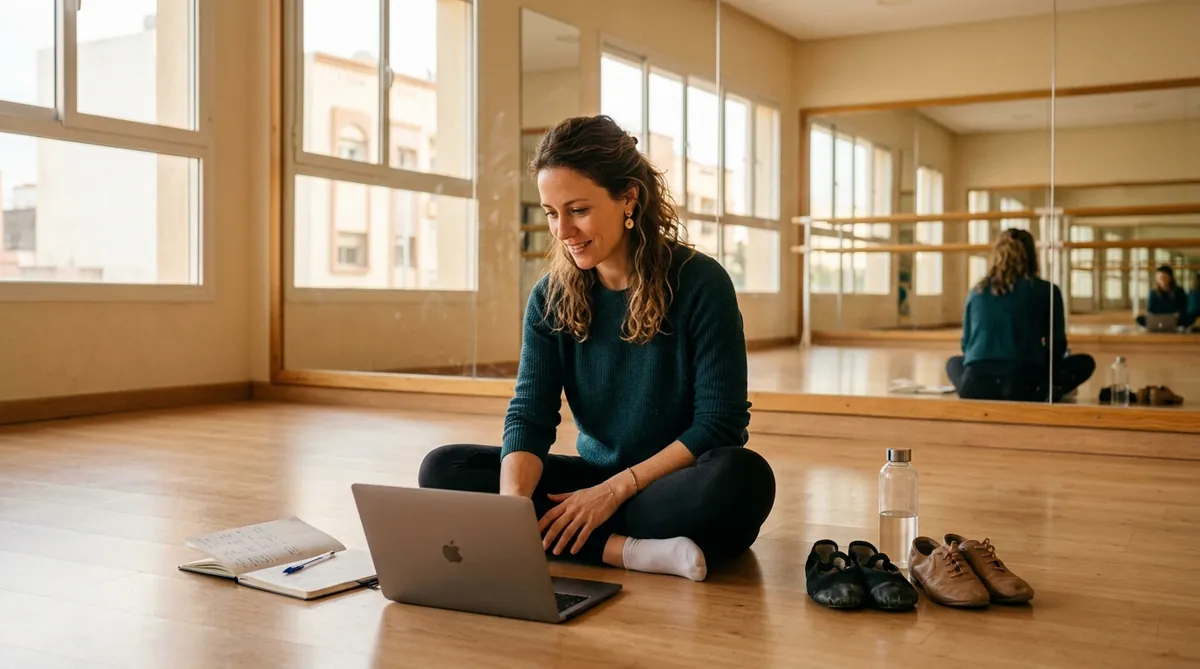
Start with fewer classes that fill, rather than many half-empty ones:
- Put beginner classes at the most convenient times (weekday evenings, weekend mornings).
- Keep the same weekly slots so students build a habit.
- Add levels and styles as classes fill up.
8. Fill your first classes
- Run a free or low-price open house or trial class.
- Post short videos of classes on Instagram and TikTok.
- Partner with local gyms, schools, wedding planners and event venues.
- Offer a bring-a-friend discount.
- Collect emails and phone numbers at every event.

9. Choose software to take bookings
Once you have more than a handful of students, messages and cash stop working. You need online booking with spot limits, card payments, packs or memberships and simple check-in. Kids’ studios with seasons usually also need registration, tuition billing and recital tools.
Read our guide to dance studio software to choose the right type for your studio.
Starting with Passfinch
If you start with adult classes, drop-ins and workshops, Passfinch gives you a booking page with spot limits, weekly repeating classes, drop-in tickets, class packs, monthly memberships, card payments, QR tickets and phone check-in. It costs $0 per month: 3% of each paid ticket plus card processing, so you pay nothing until you sell. See how it works for dance classes, or create your booking page for free.
Quick recap
- Choose your style, students and format first.
- Test demand in a rented room before signing a lease.
- Get insurance, waivers and music licenses sorted.
- Budget, price with packs and memberships, and start with a schedule you can fill.
- Use software that matches your studio type.