

How to host a speed dating event: a step-by-step guide
How to host a speed dating event: pick a venue, balance tickets by group, set the price, run the rounds, handle matches and fill every seat. With a checklist.
· 4 min read
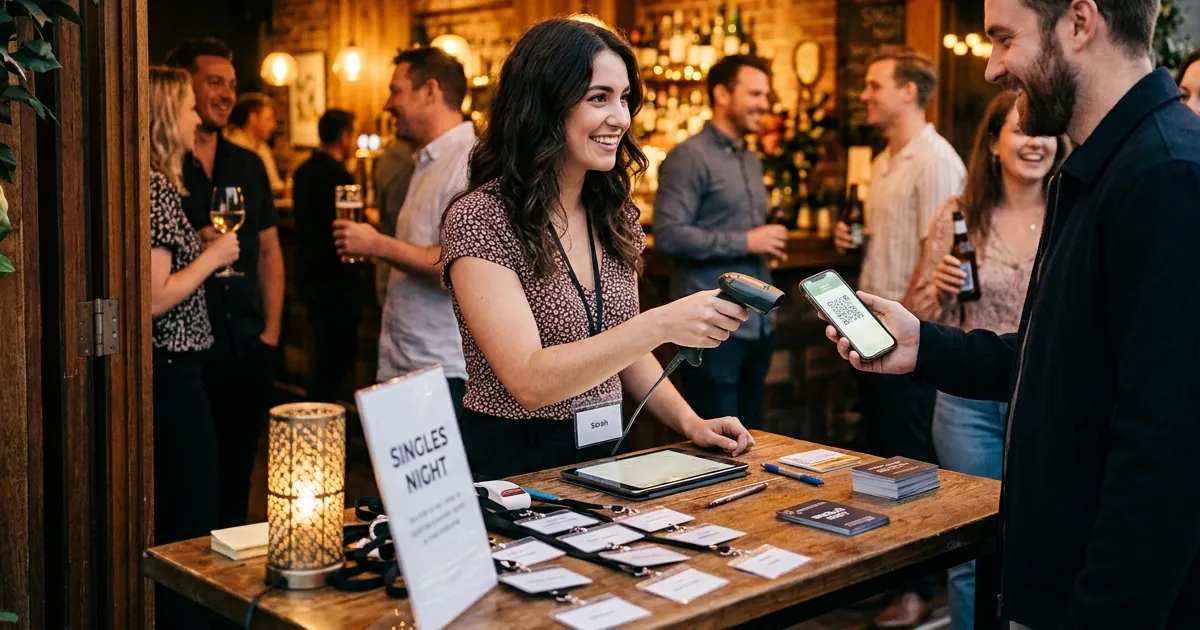
Speed dating is back. Many singles are tired of endless swiping and want to meet people in real life, and “speed dating near me” is searched thousands of times every month in the US. That makes speed dating and singles nights a great event to host, whether you run a bar, organize community events or want to start a small events business.
This guide walks through how to host a speed dating event, from choosing the format to the moment the matches go out.
1. Choose your format
Decide who the event is for. The clearer the audience, the easier it is to sell:
- Age range: for example 25 to 35, or 35 to 49. A narrower range usually means better matches.
- Who meets whom: men and women, LGBTQ+ events, or mixed formats.
- A theme (optional): book lovers, outdoor fans, professionals, a language night.
- Size: 10 to 15 people per group is a good start. Fewer feels thin, more makes the night long.
2. Pick a venue
A good speed dating venue has:
- A quiet area where people can hear each other.
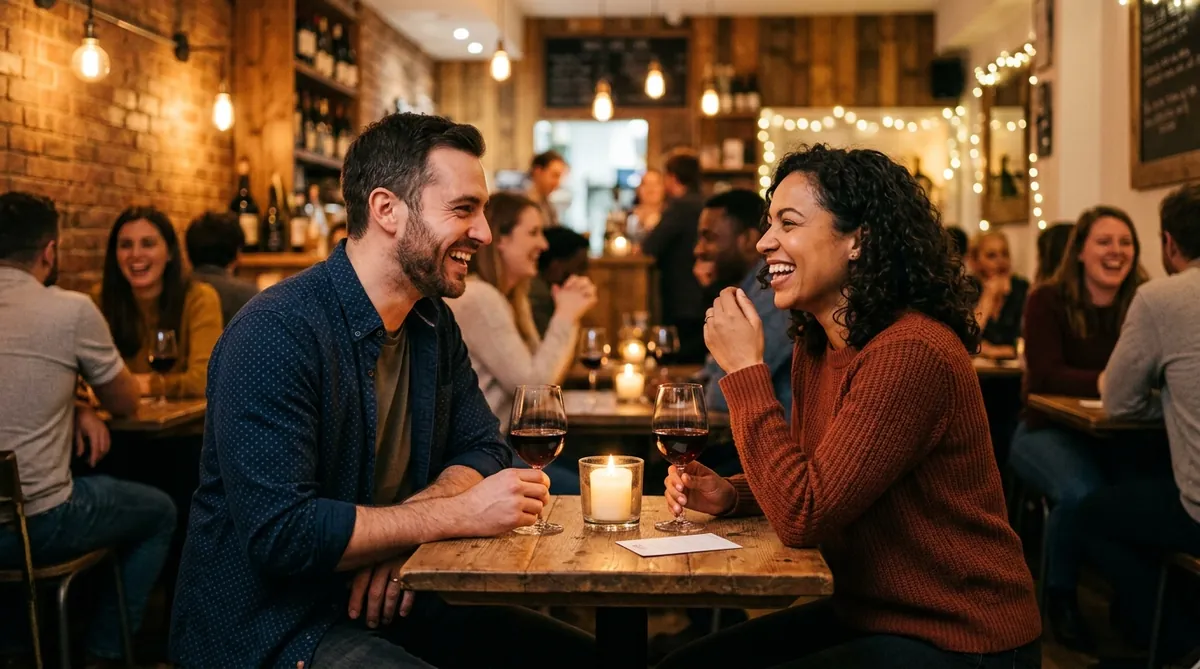
- Small tables for two, set up in a line or a circle.
- A bar or drinks nearby (a welcome drink helps people relax).
- A spot for a check-in table at the entrance.
Bars, cafés, wine bars and restaurants often give you a private area for free or a small fee on a quiet weeknight, because you bring them customers.
3. Balance your tickets
This is the most important part of running speed dating. If 15 women and 8 men show up, the night doesn’t work.
Create separate ticket types, each with its own limit, for example:
- “Women 28-38”: 12 seats
- “Men 28-38”: 12 seats
When one group sells out, that ticket shows as sold out and the other keeps selling. Promote the group that is behind until both are full.
4. Set your price
Most speed dating tickets in the US cost somewhere around $25 to $60 per person, depending on the city, the venue and whether a drink is included. To set yours:
- Add your costs: venue, a welcome drink, name tags, match cards, promotion.
- Add your time for planning, hosting and sending matches.
- Divide by the number of seats you expect to sell.
Take payment upfront. Free sign-ups lead to no-shows, and one missing person breaks the rotation for everyone.
5. Plan the rounds
A simple, proven structure:
- Arrival and check-in: 20 to 30 minutes, with a welcome drink.
- Short welcome: explain the rules in two minutes.
- Dates: 4 to 6 minutes each. One group stays seated, the other moves to the next table when the bell rings.
- A short break halfway through.
- Open mingling at the end, for 20 to 30 minutes.
With 12 pairs and 5-minute dates, the dating part takes about an hour.
6. Prepare match cards
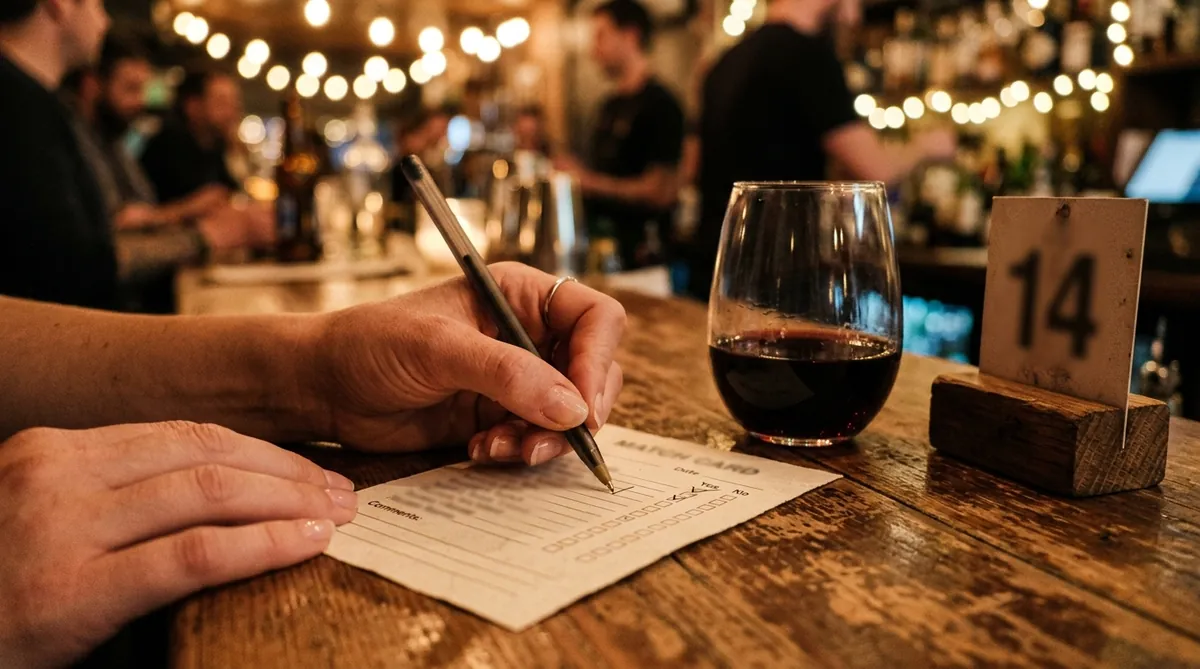
Give every guest a card with the names or numbers of the people they meet, and a “yes / no” box for each. Collect the cards at the end. When two people both say yes, it’s a match.
Send matches by email within 24 to 48 hours, sharing contact details only for mutual matches. Explain this rule at the start so everyone feels safe.
7. Make it safe and comfortable
- Share only first names during the event.
- Never share contact details unless both people agree.
- Have a host in the room who keeps time and helps anyone who feels uncomfortable.
- If your event has an age range, check ID at the door.
- Keep a clear code of conduct on your event page.
8. Fill the room
- Post on Instagram and in local Facebook groups for singles and events.
- Partner with the venue: they can promote to their own customers.
- Ask past guests to bring a single friend.
- Post “only 3 seats left for men” or “for women” when one side is almost full.
- January and February are the busiest months for singles events, so plan your best dates then.
9. Follow up
After the event, send the matches, thank everyone, and ask for quick feedback. Announce your next date in the same email: happy guests are your best promotion.
Quick checklist
- Age range and format decided
- Venue with quiet tables for two
- Separate ticket types with their own limits
- Payment upfront and a reminder the day before
- Match cards, name tags and a bell or timer
- Code of conduct and a host in the room
- Matches sent within 48 hours
Selling speed dating tickets with Passfinch
Passfinch lets you create an event page with separate ticket types and seat limits, so every night stays balanced. Guests pay by card, get a QR ticket by email and a reminder the day before, and you scan them at the door. You can export the guest list to CSV for name tags and match cards, and add weekly repeating dates.
It costs $0 per month: 3% of each paid ticket plus card processing. See how it works for speed dating events, or create your first event for free.