

How to reduce no-shows at your classes and workshops
Empty seats you could have sold cost you money. Eight practical ways to get people to actually show up, from paid booking to reminders and waitlists.
· 3 min read
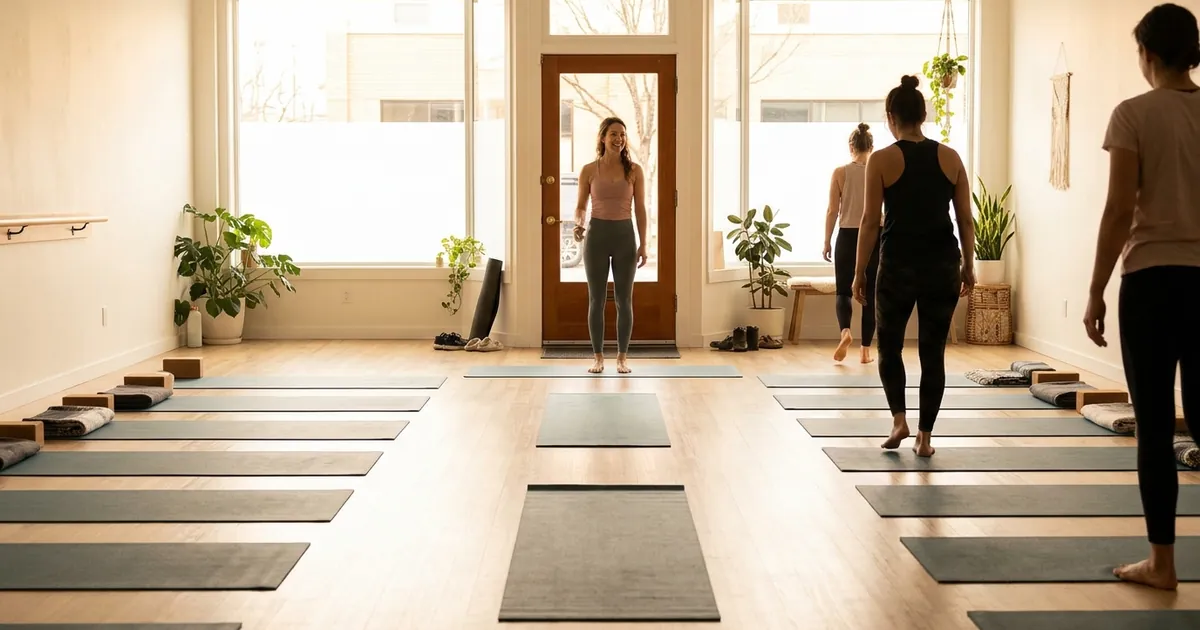
A no-show hurts twice. You lose the money for that seat, and you often turned someone else away because the class looked full. For small groups, two or three empty mats or wheels can be the difference between a good session and one that barely covers the room.
You cannot get rid of no-shows completely, but you can make them rare. Here are the methods that make the biggest difference, roughly in order of impact.
1. Ask for payment when people book
This is the single biggest change. When people have paid, they show up, or they at least tell you in advance. When they have only “reserved” with a message, the seat costs them nothing to abandon.
If you are worried that asking for payment upfront will scare people away, look at it from the other side: the people who would not pay upfront are often the same people who would not have come.
2. Use tickets even for free sessions
Free events have the highest no-show rates, because nothing is at stake. You can still raise commitment without charging:
- Ask people to book a free ticket with their name and email instead of “just come along”.
- Cap the number of seats, so a ticket feels like something you got rather than something infinite.
- Send the same reminder you would send for a paid class.
A named ticket, a limited number of places and a reminder already change behavior.
3. Send a reminder the day before
People rarely skip on purpose. They forget, double-book or lose track of the time. A short reminder the day before, with the date, time, address and a link to their ticket, solves most of that. Keep it short and practical: what to bring, where to park, when doors open.
4. Make the details impossible to miss
A surprising number of no-shows are people who got lost, came on the wrong day or thought it started later. Make sure the booking page and the confirmation email both show:
- The full date, including the weekday (“Saturday 14 March”, not “the 14th”).
- The start time and the time zone if you have online buyers.
- The exact address, with a map link and any “ring the second bell” instructions.
- What to bring or wear.
5. Have a clear refund and transfer policy
A clear policy works in two directions. It protects you from last-minute cancellations, and it gives people an honest way out early, which frees the seat for someone else. A common setup is:
- Full refund up to a few days before the session.
- After that, no refund, but a transfer to another date if you have space.
Write it on the booking page so everyone sees it before paying.
6. Keep a waitlist for full sessions
When a session is full, do not just say “sorry”. Collect names for a waitlist or point people to the next date. When someone cancels, you can fill the seat quickly. Showing “sold out” on a date also tends to push people to book the next one faster.
7. Check people in at the door
Scanning tickets at the door does not prevent no-shows by itself, but it tells you exactly who came. After a few sessions you will see patterns: maybe the 7 pm weekday slot always has gaps, or free tasters have far more empty seats than paid courses. That data helps you plan better dates and decide where you can safely sell a seat or two more.
8. Overbook carefully, if at all
Airlines overbook because they know their numbers very well. Small classes usually do not have that luxury, and turning away someone who paid is worse than an empty seat. Only consider overbooking by one place once your check-in data shows that a specific type of session reliably has gaps, and never for formats with a hard limit like wheels or mats.
A short checklist
- Paid booking for paid sessions, named tickets for free ones.
- A reminder email the day before.
- Date, time, address and “what to bring” on the page and in the email.
- A written refund and transfer policy.
- A waitlist or “next date” for full sessions.
- Ticket check-in, so you know your real show-up rate.
Passfinch covers most of this list out of the box: paid and free tickets with seat limits, a QR ticket by email, an automatic reminder the day before, and a phone scanner for check-in. See how it works for yoga workshops.